Dry Scalp vs Oily Scalp: Customizing Your Ayurvedic Hair Care Routine
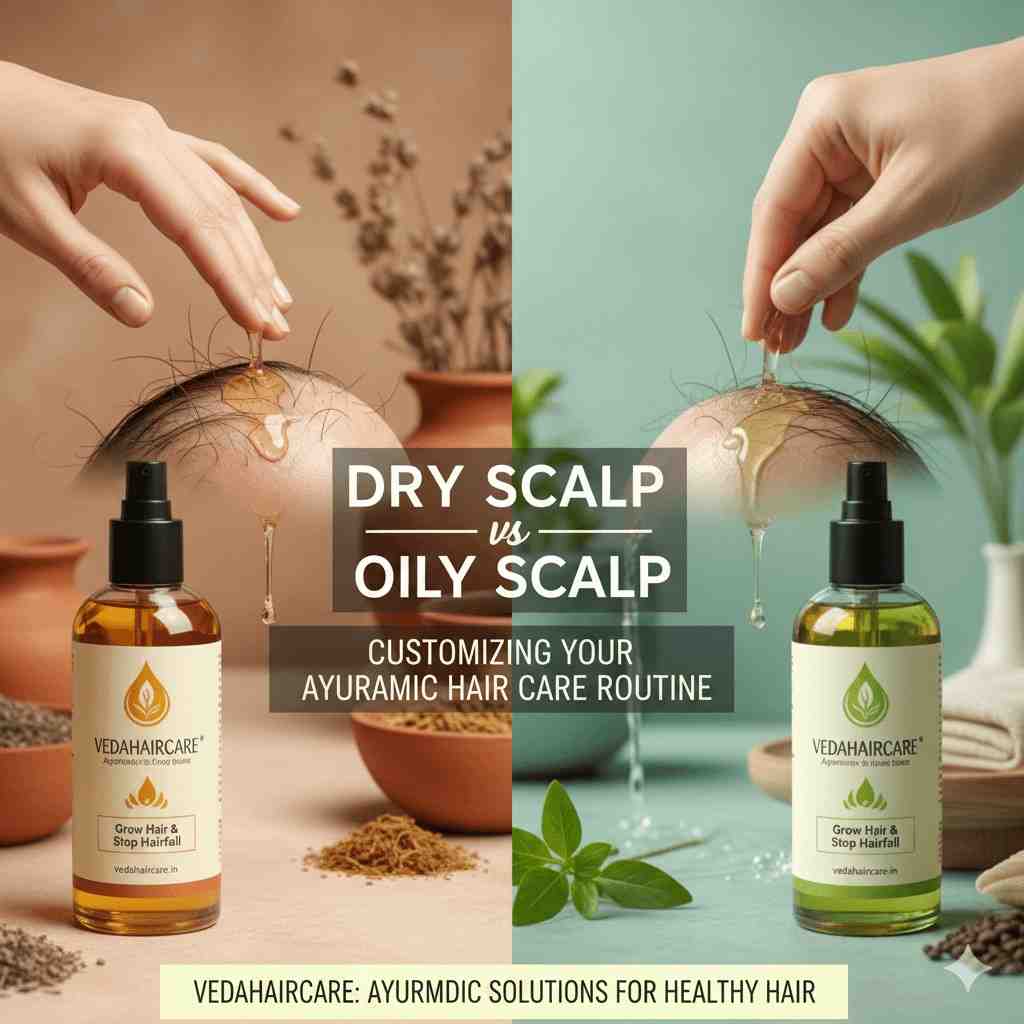
Dry Scalp vs Oily Scalp: Customizing Your Ayurvedic Hair Care Routine
One of the most common mistakes in hair care is using a one-size-fits-all approach when your scalp has unique needs that require personalized attention. Just as your skin type determines your skincare routine, your scalp type should dictate your hair care approach. Ancient Ayurvedic wisdom recognized this principle thousands of years ago, developing specific treatments for different scalp conditions based on individual constitution and imbalances.
Understanding Your Scalp: The Foundation of Healthy Hair
Your scalp is living skin—the most important skin on your body when it comes to hair health. It contains approximately 100,000 hair follicles, each with its own sebaceous gland that produces natural oils (sebum). The balance of oil production, moisture retention, and cellular turnover determines your scalp type and, consequently, your hair's health and appearance.
The Scalp Ecosystem
Sebaceous Glands: Produce natural oils to protect and moisturize Hair Follicles: House hair roots and determine growth patterns Blood Vessels: Supply nutrients and oxygen to hair roots Nerve Endings: Provide sensation and respond to stimulation Microbiome: Beneficial bacteria that maintain scalp health
Identifying Your Scalp Type
The Simple Scalp Assessment Test
Step 1: Clean Slate
- Wash hair with a gentle, sulfate-free shampoo
- Avoid using conditioner or styling products
- Allow hair to air dry completely
Step 2: The 24-Hour Test
- Wait 24 hours without washing or applying any products
- Examine your scalp in natural light using a mirror
- Note any sensations, appearance changes, or oil production
Step 3: The Tissue Test
- Gently press a clean tissue against different areas of your scalp
- Check for oil transfer, flakes, or residue
- Compare results from crown, temples, and nape areas
Dry Scalp: Understanding the Moisture-Starved Scalp
Characteristics of Dry Scalp:
- Tight, uncomfortable feeling
- Visible white flakes (different from dandruff)
- Itching and irritation
- Hair that appears dull and lifeless
- Scalp that feels rough to the touch
- Increased sensitivity to products
The Science Behind Dry Scalp
Sebum Underproduction: Insufficient natural oil production Barrier Dysfunction: Compromised skin barrier allows moisture loss Environmental Factors: Low humidity, harsh weather, over-washing Age-Related Changes: Decreased oil production with aging Hormonal Influences: Menopause, thyroid disorders
Ayurvedic Perspective on Dry Scalp
In Ayurveda, dry scalp is primarily a Vata imbalance characterized by:
- Excessive dryness and roughness
- Irregular oil production
- Poor circulation
- Nervous system sensitivity
- Tendency toward anxiety and stress
Oily Scalp: Managing Excess Sebum Production
Characteristics of Oily Scalp:
- Greasy appearance within 12-24 hours of washing
- Hair that looks flat and lacks volume
- Scalp that feels slick to the touch
- Possible acne or bumps on scalp
- Strong odor development
- Products seem to weigh hair down
The Science Behind Oily Scalp
Sebum Overproduction: Hyperactive sebaceous glands Hormonal Influences: Androgens stimulate oil production Genetic Predisposition: Inherited tendency toward oiliness Dietary Factors: High glycemic foods can increase oil production Stress Response: Cortisol can trigger excess sebum
Ayurvedic Perspective on Oily Scalp
Oily scalp represents a Kapha imbalance featuring:
- Excessive moisture and heaviness
- Sluggish circulation
- Tendency toward congestion
- Slow metabolism
- Emotional heaviness or lethargy
Combination Scalp: The Complex Balance
Many people have combination scalps with different zones showing different characteristics:
Common Patterns:
- Oily crown and temples, dry nape and sides
- Seasonal variations (oily summer, dry winter)
- Hormonal fluctuations affecting oil distribution
- Product-induced imbalances
Customized Ayurvedic Solutions for Dry Scalp
Primary Treatment Goals:
- Restore moisture balance
- Strengthen scalp barrier
- Improve circulation
- Reduce inflammation
- Prevent further dryness
Ideal Oil Blend for Dry Scalp:
Base Oils (70%):
- Coconut Oil (25%): Deep moisturization and antimicrobial protection
- Sesame Oil (20%): Warming properties and circulation enhancement
- Almond Oil (15%): Gentle nourishment and vitamin E
- Jojoba Oil (10%): Mimics natural sebum, non-comedogenic
Herbal Extracts (25%):
- Brahmi (8%): Cooling and circulation-boosting
- Bhringraj (7%): Hair growth and scalp nourishment
- Fenugreek (5%): Protein and moisture retention
- Amla (5%): Antioxidant protection and conditioning
Essential Oils (5%):
- Lavender (2%): Soothing and antimicrobial
- Rosemary (2%): Circulation stimulation
- Chamomile (1%): Anti-inflammatory and calming
Dry Scalp Treatment Protocol:
Frequency: 3-4 times per week Application Time: Minimum 4 hours, preferably overnight Massage Duration: 15-20 minutes with gentle pressure Water Temperature: Lukewarm to prevent further drying Shampoo Choice: Sulfate-free, moisturizing formulas
Weekly Intensive Treatment:
- Pre-shampoo oil treatment for 2-3 hours
- Gentle scalp exfoliation with sugar scrub
- Deep conditioning mask with natural ingredients
- Cool water final rinse to seal moisture
Customized Ayurvedic Solutions for Oily Scalp
Primary Treatment Goals:
- Balance sebum production
- Deep cleanse without over-stripping
- Improve circulation and metabolism
- Prevent clogged follicles
- Maintain scalp health
Ideal Oil Blend for Oily Scalp:
Base Oils (60%):
- Jojoba Oil (20%): Regulates sebum production
- Grapeseed Oil (15%): Light texture, antioxidant-rich
- Argan Oil (15%): Balancing and non-greasy
- Tea Tree Oil (10%): Antimicrobial and clarifying
Herbal Extracts (30%):
- Neem (10%): Antibacterial and oil-controlling
- Tulsi (8%): Purifying and balancing
- Lemon (7%): Astringent and clarifying
- Mint (5%): Cooling and stimulating
Essential Oils (10%):
- Peppermint (3%): Cooling and circulation
- Eucalyptus (3%): Clarifying and refreshing
- Lemon (2%): Astringent and purifying
- Tea Tree (2%): Antimicrobial and balancing
Oily Scalp Treatment Protocol:
Frequency: 2-3 times per week (less frequent than dry scalp) Application Time: 2-4 hours (shorter than dry scalp treatment) Massage Duration: 10-15 minutes with moderate pressure Focus Areas: Concentrate on scalp, avoid over-oiling lengths Cleansing: May require double shampooing
Weekly Clarifying Treatment:
- Clay mask application to absorb excess oil
- Apple cider vinegar rinse to balance pH
- Light oil treatment focusing on ends only
- Thorough cleansing with clarifying shampoo
Combination Scalp Solutions
Zone-Specific Treatment Approach:
Oily Areas (Crown, T-zone):
- Lighter oils like jojoba or grapeseed
- Shorter application times
- More frequent cleansing
- Astringent herbal extracts
Dry Areas (Nape, Sides):
- Richer oils like coconut or sesame
- Longer application times
- Gentle cleansing
- Moisturizing herbal extracts
Seasonal Adjustments:
Summer Modifications:
- Lighter oil formulations
- Increased cleansing frequency
- Cooling herbs like mint and aloe
- UV protection ingredients
Winter Modifications:
- Richer, more nourishing oils
- Reduced cleansing frequency
- Warming herbs like ginger and cinnamon
- Extra moisture protection
Advanced Scalp Analysis Techniques
Professional Assessment Methods:
Trichoscopy: Microscopic scalp examination Sebum Measurement: Quantitative oil production analysis pH Testing: Scalp acidity/alkalinity balance Microbiome Analysis: Bacterial balance assessment
DIY Monitoring Techniques:
Photo Documentation: Track changes over time Sensation Journaling: Note comfort levels and symptoms Product Response Testing: Monitor reactions to different ingredients Seasonal Tracking: Observe how scalp changes with weather
Common Mistakes in Scalp Type Management
Dry Scalp Mistakes:
Over-Washing: Strips natural oils and worsens dryness Hot Water: Further dehydrates already dry scalp Harsh Products: Sulfates and alcohols increase irritation Insufficient Oil Time: Not allowing enough penetration time
Oily Scalp Mistakes:
Over-Cleansing: Triggers rebound oil production Avoiding All Oils: Scalp still needs some moisture Heavy Products: Weighs down hair and clogs follicles Ignoring Ends: Hair lengths may be dry despite oily scalp
Lifestyle Factors Affecting Scalp Type
Diet and Nutrition:
For Dry Scalp:
- Increase healthy fats (omega-3, omega-6)
- Stay well-hydrated
- Include vitamin E-rich foods
- Reduce inflammatory foods
For Oily Scalp:
- Limit high-glycemic foods
- Reduce dairy consumption
- Increase zinc-rich foods
- Balance omega fatty acids
Stress Management:
Impact on Dry Scalp:
- Stress reduces oil production
- Increases inflammation
- Affects nutrient absorption
- Disrupts sleep and recovery
Impact on Oily Scalp:
- Stress hormones increase oil production
- Triggers inflammatory responses
- Affects hormonal balance
- Leads to poor dietary choices
Environmental Considerations:
Humidity Levels:
- Low humidity worsens dry scalp
- High humidity can increase oiliness
- Use humidifiers or dehumidifiers as needed
- Adjust routine seasonally
Water Quality:
- Hard water can dry scalp
- Chlorinated water strips natural oils
- Consider water filters
- Use clarifying treatments periodically
Measuring Progress and Adjusting Treatment
Success Indicators:
Dry Scalp Improvement:
- Reduced itching and flaking
- Improved scalp comfort
- Enhanced hair shine and softness
- Less frequent need for moisturizing
Oily Scalp Improvement:
- Extended time between washes
- Reduced greasiness
- Better hair volume and texture
- Clearer scalp without bumps
When to Adjust Your Routine:
Seasonal Changes: Modify oils and frequency Hormonal Fluctuations: Adapt to menstrual cycles, pregnancy, menopause Lifestyle Changes: Adjust for stress, diet, or environment changes Product Tolerance: Switch if sensitivity develops
Professional Consultation Guidelines
When to Seek Expert Help:
Persistent Problems: No improvement after 8-12 weeks Severe Symptoms: Intense itching, pain, or inflammation Hair Loss: Noticeable thinning or bald patches Scalp Conditions: Suspected dermatitis, psoriasis, or infections
Preparing for Consultation:
Document Symptoms: Keep a scalp diary List Products: Note everything you've tried Photo Evidence: Take clear scalp photos Medical History: Include relevant health information
The Economics of Customized Care
Cost-Benefit Analysis:
Generic Products: $20-40 monthly, limited effectiveness Customized Ayurvedic Routine: $30-60 monthly, targeted results Professional Treatments: $100-200 per session Long-term Savings: Reduced need for frequent treatments
Investment Priorities:
- Quality Base Oils: Foundation of effective treatment
- Targeted Herbal Extracts: Address specific scalp needs
- Proper Application Tools: Enhance treatment effectiveness
- Professional Consultation: Ensure optimal customization
Success Stories: Customized Transformations
Case Study 1: Dry Scalp Success
Initial Condition: Severe dryness, constant itching Customized Approach: Rich oil blend with extended application times Results: Complete comfort restoration in 6 weeks Key Factor: Consistent moisture replenishment
Case Study 2: Oily Scalp Balance
Initial Condition: Daily washing required, flat hair Customized Approach: Light oils with clarifying herbs Results: Extended wash intervals, improved volume Key Factor: Balancing rather than stripping oils
Case Study 3: Combination Scalp Management
Initial Condition: Oily crown, dry ends Customized Approach: Zone-specific treatment protocol Results: Balanced scalp health throughout Key Factor: Targeted application techniques
Building Your Personalized Routine
Step-by-Step Customization:
Week 1-2: Assess current scalp condition Week 3-4: Begin basic customized routine Week 5-8: Monitor and adjust as needed Week 9-12: Fine-tune for optimal results Ongoing: Maintain and adapt seasonally
Creating Your Oil Blend:
- Identify Primary Scalp Type: Dry, oily, or combination
- Select Base Oils: Choose appropriate ratios
- Add Targeted Herbs: Address specific concerns
- Include Essential Oils: For therapeutic and aromatic benefits
- Test and Adjust: Modify based on response
Conclusion: Your Scalp, Your Rules
Understanding your unique scalp type is the first step toward achieving optimal hair health through customized Ayurvedic care. Whether you have a dry scalp crying out for moisture, an oily scalp needing balance, or a combination scalp requiring targeted attention, the ancient wisdom of Ayurveda provides personalized solutions that work with your body's natural tendencies rather than against them.
Remember that your scalp type may change over time due to age, hormones, seasons, and lifestyle factors. Stay attuned to these changes and be willing to adjust your routine accordingly. The goal isn't to fight your scalp's natural tendencies but to support and optimize them for the healthiest possible hair.
Your customized Ayurvedic hair care routine is an investment in long-term hair health that pays dividends in confidence, comfort, and beauty. By honoring your scalp's unique needs and providing targeted nourishment, you're setting the foundation for a lifetime of healthy, beautiful hair that truly reflects your individual beauty.
Ready to Experience the Benefits?
Explore our range of premium Ayurvedic products and start your wellness journey today.